As cities grow, managing them grows more complex. From infrastructure planning and traffic management to energy efficiency and disaster preparedness, the need for data-driven decisions keeps rising. Digital twin technology makes that complexity tractable by creating a one-to-one digital copy of the physical city.
What is a Digital Twin?
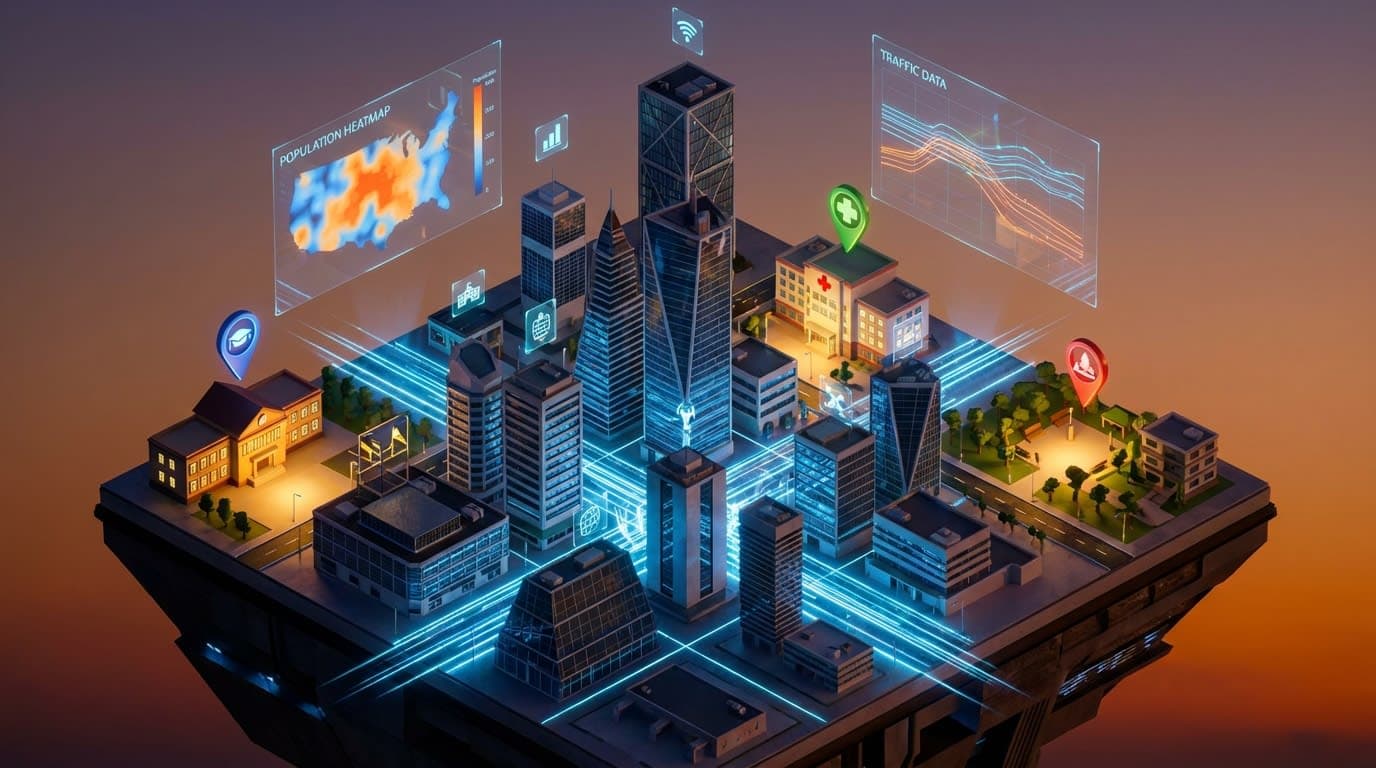
A digital twin is a digital replica of a physical asset or system, fed by real-time data. At the city scale, a digital twin is the 3D-modeled version of buildings, roads, infrastructure networks, green spaces and terrain.
Popularized in manufacturing through Industry 4.0, digital twin technology has since become a core building block of smart cities. A city's digital twin is more than a static 3D model — it is a dynamic platform continuously updated by sensor data, population statistics and environmental measurements.
How Are 3D City Models Produced?
Producing a 3D city model requires integrating several data sources:
- Aerial LiDAR scanning: precise measurement of terrain and building surfaces from high-density point clouds
- Photogrammetric imaging: 3D point clouds and orthophotos generated from aerial imagery
- Cadastral data: building footprints, story counts and ownership records
- Satellite imagery: for wide-area coverage and periodic updates
- Ground surveys: GNSS and total station data for detail and control points
These sources are fused in GIS to produce 3D models that include each building's location, height, roof form and façade information. The CityGML standard makes these models shareable and interoperable at an international scale.
LOD Levels
3D city models are classified by Level of Detail (LOD):
- LOD0: 2.5D terrain model with building footprints
- LOD1: flat-roofed block models with building heights
- LOD2: building models with real roof forms
- LOD3: architectural models including façade details, windows and doors
- LOD4: full-detail models including interiors
Municipal applications typically find LOD2 sufficient. LOD2 models accurately represent roof forms and building geometry, enabling analyses like solar potential, shadow simulation and visual impact assessment.
Digital Twin Adoption in Turkey
Digital twin city applications are growing rapidly in Turkey. The TUCBS (Turkish National Geographic Information System) infrastructure aims to establish a national spatial data standard. Coordinated by the Ministry of Environment, Urbanization and Climate Change, this initiative enables municipalities to produce and share 3D city models on a common standard.
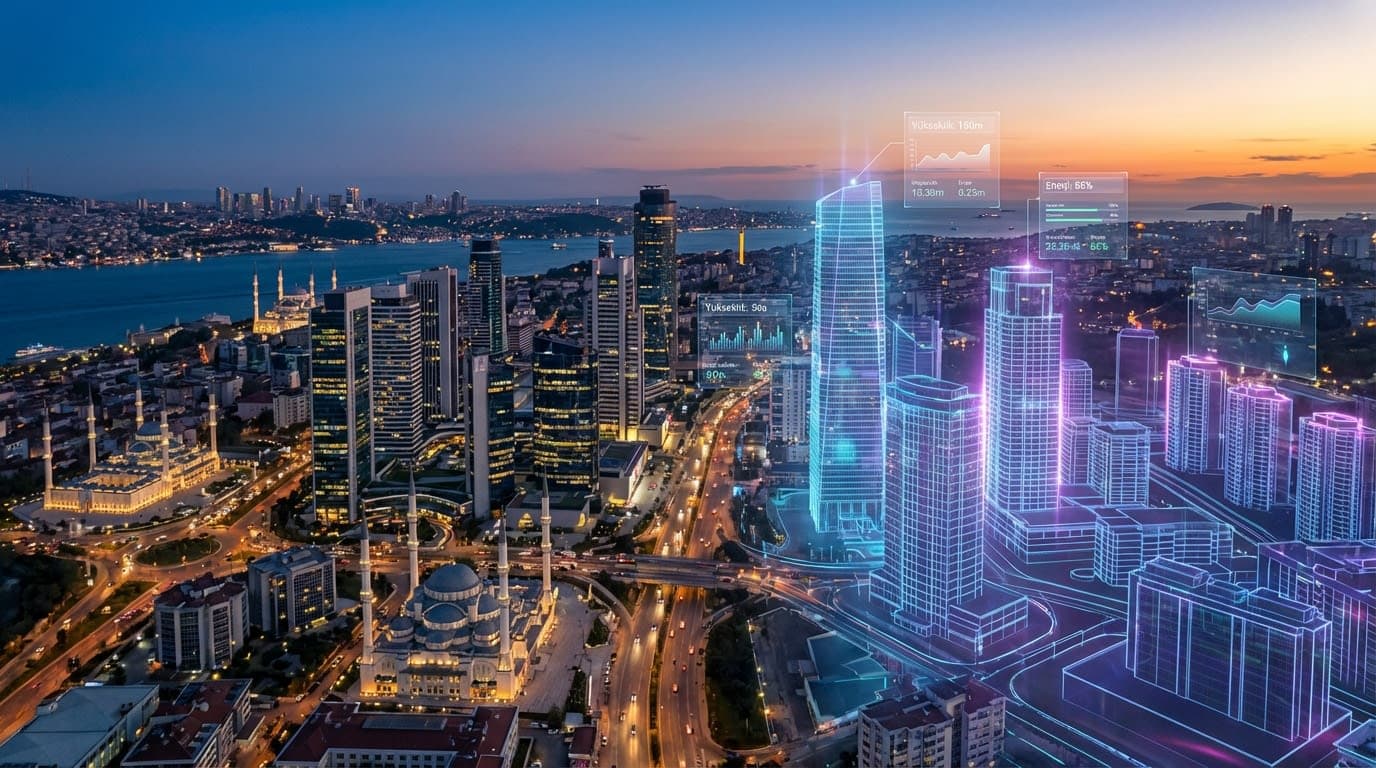
Metropolitan municipalities such as Istanbul, Ankara, Izmir and Gaziantep have produced or are producing 3D city models as part of their urban information systems. These models see broad use — from zoning to infrastructure management.
Launched in 2023, the National Digital Twin Platform project aims to manage and analyze digital twin models from every metropolitan municipality through a single integrated platform.
Benefits for Municipalities
Digital twin city models deliver concrete benefits in many areas:
- Zoning and planning: evaluating how new structures fit with the existing fabric in 3D, plus shadow and visual impact analysis
- Infrastructure management: integrating water, sewer, gas and electricity networks into the 3D model
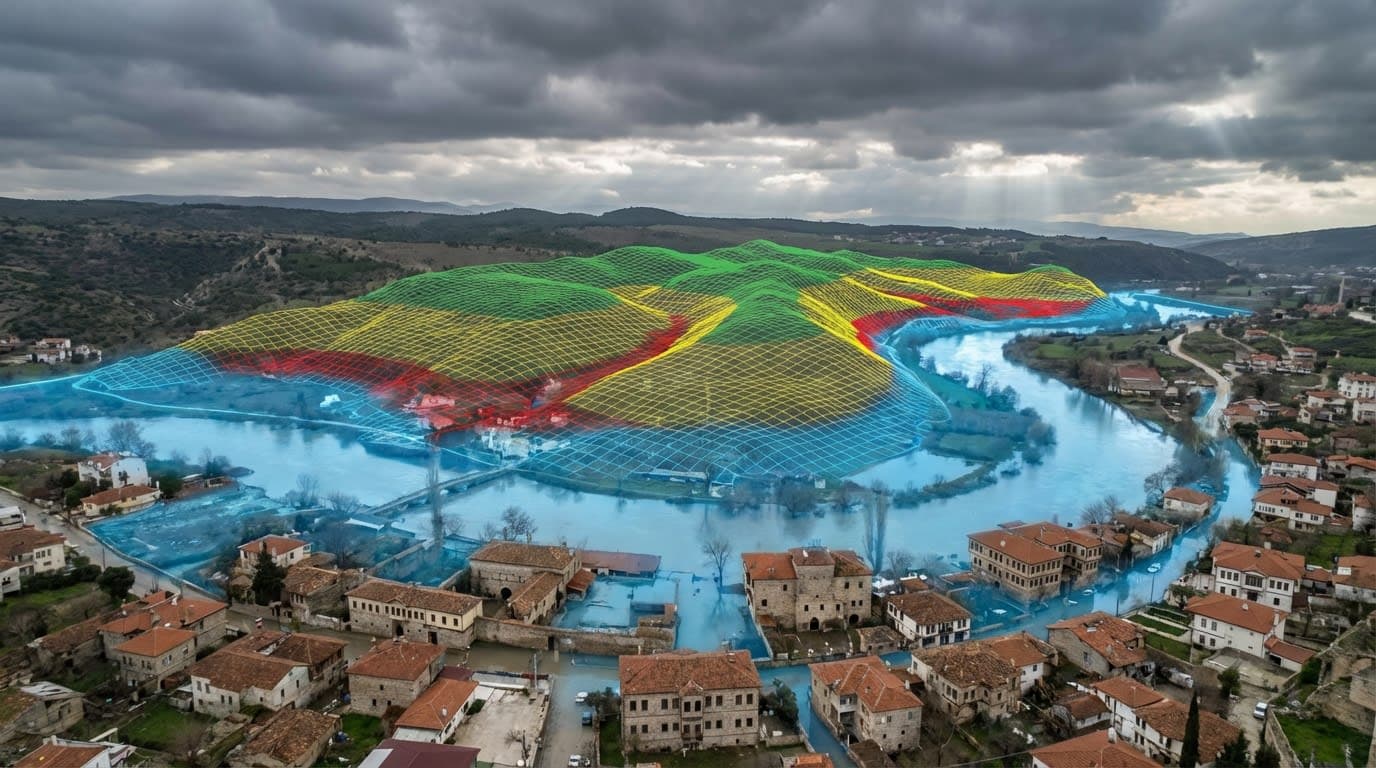
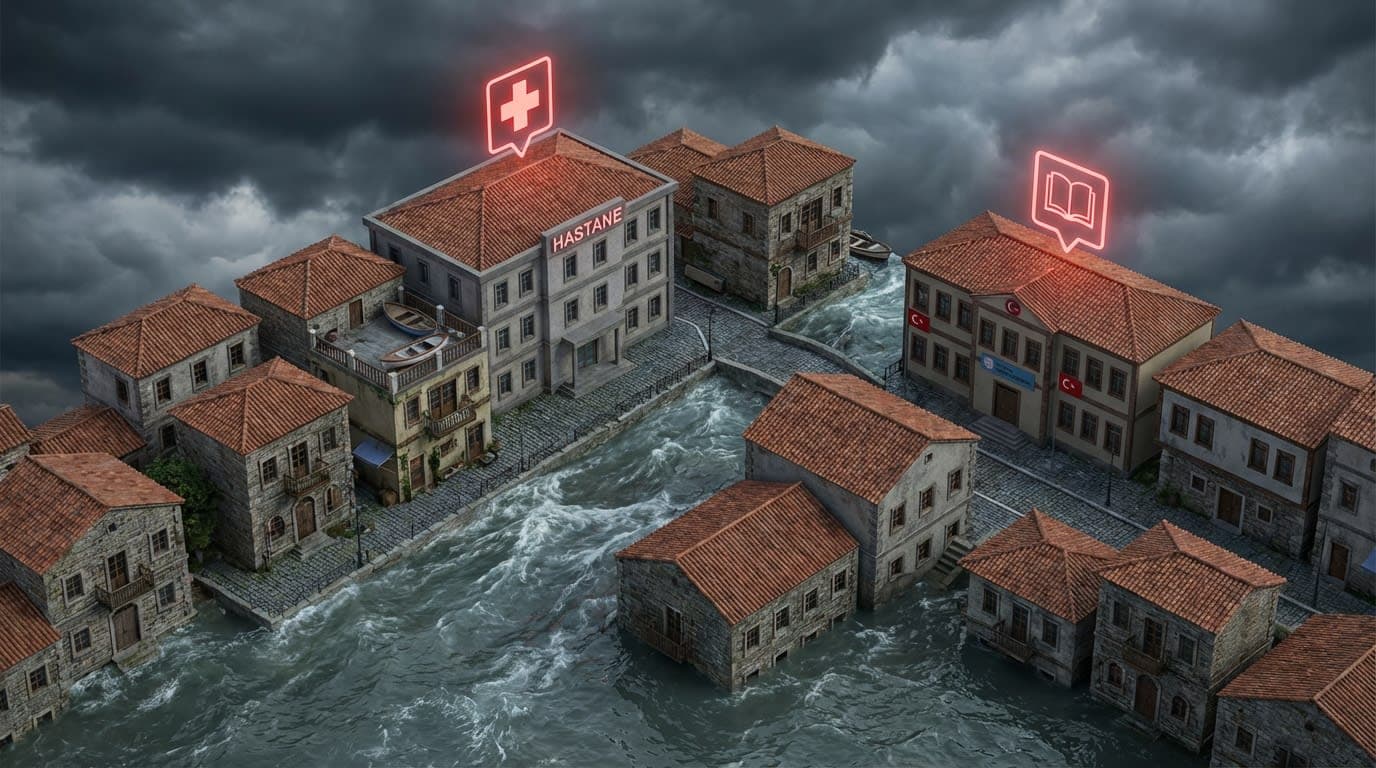
- Disaster management: simulating earthquake, flood and fire scenarios in 3D
- Energy efficiency: per-building solar potential and heat-loss analysis
- Transport planning: traffic simulation and transit accessibility analysis
- Citizen engagement: communicating planning decisions through 3D visualizations
At Verigo Digital Engineering we produce high-accuracy 3D city models from LiDAR and photogrammetric data. Our CityGML- and TUCBS-compliant models directly feed into municipalities' digital transformation.
The digital twin is the most powerful tool we have for planning cities' futures today. Carrying the physical world into the digital realm is the first step toward building more livable, sustainable and safer cities.